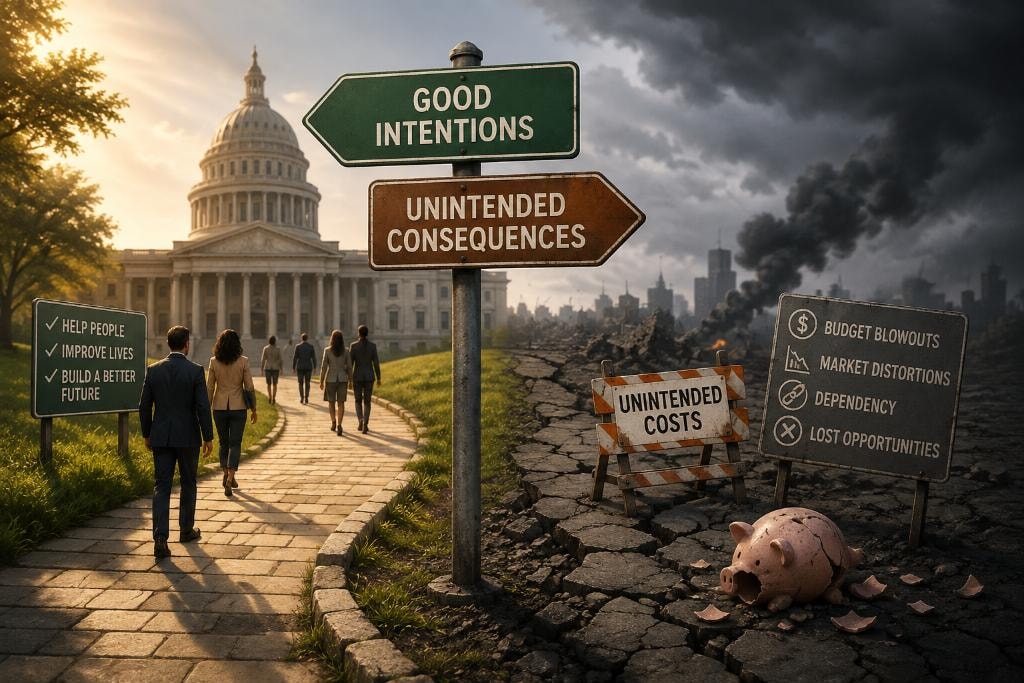
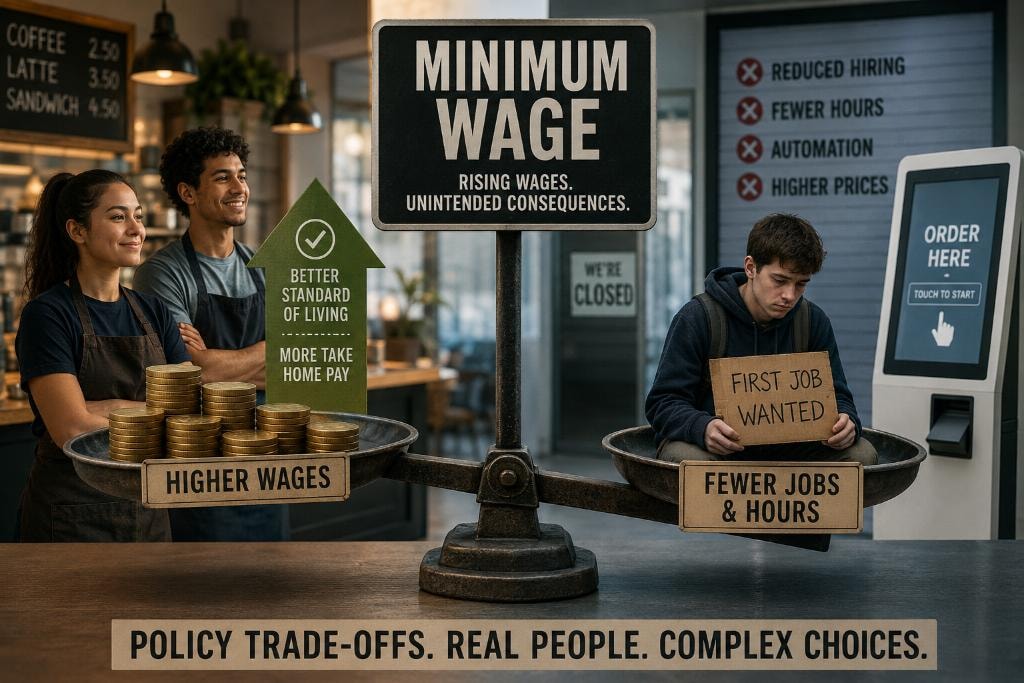
In 1994, San Francisco expanded its rent control ordinance to cover small multi-family buildings. The policy was intended to protect long-term tenants from displacement. What followed was a masterclass in unintended consequences.
A landmark 2019 Stanford study found that while rent control did protect existing tenants in the short term, it reduced rental housing supply by 15 percent as landlords converted units to condos or redeveloped properties. The net effect: rents across the city rose by 5 to 7 percent.
The mechanism is straightforward. Rent control reduces the return on rental property investment. Landlords respond rationally: they convert to condos, let buildings deteriorate, or simply exit the market. Supply falls. Prices rise. The very problem the policy was designed to solve is made worse.
This pattern repeats across every city that has implemented rent control. Stockholm has a 20-year waiting list for rent-controlled apartments. New York City's housing stock has deteriorated for decades under its rent stabilization regime. The evidence is not ambiguous.