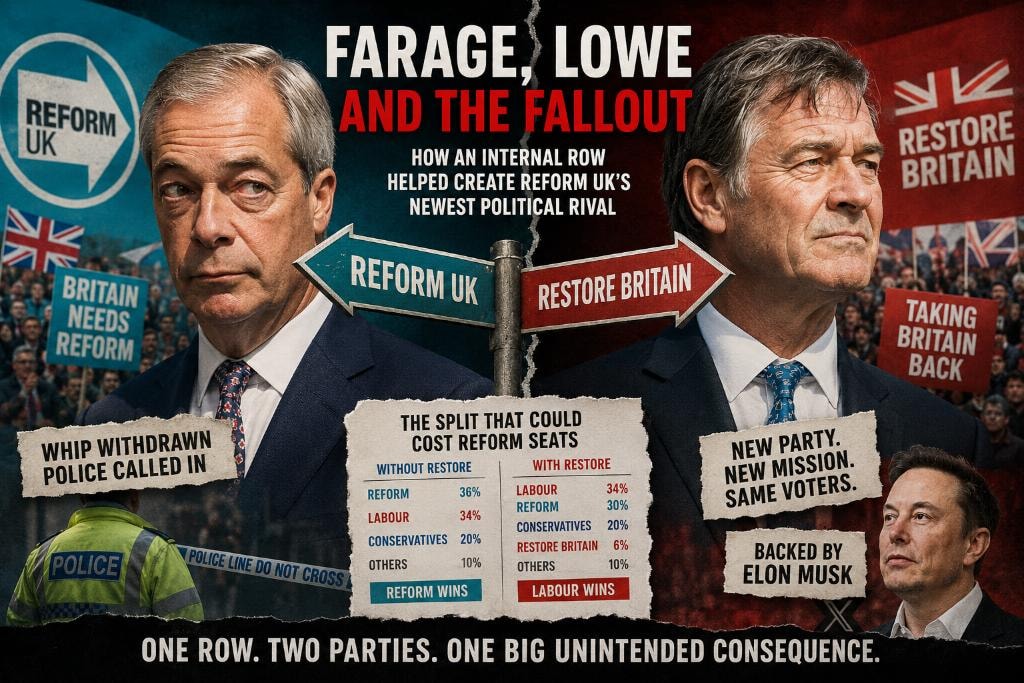
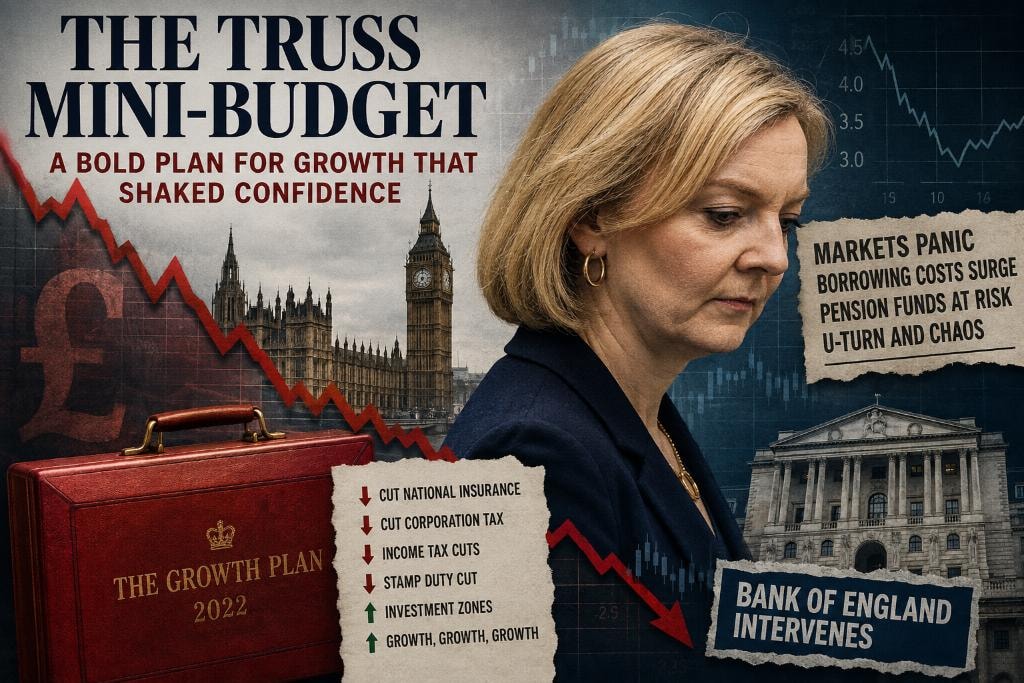
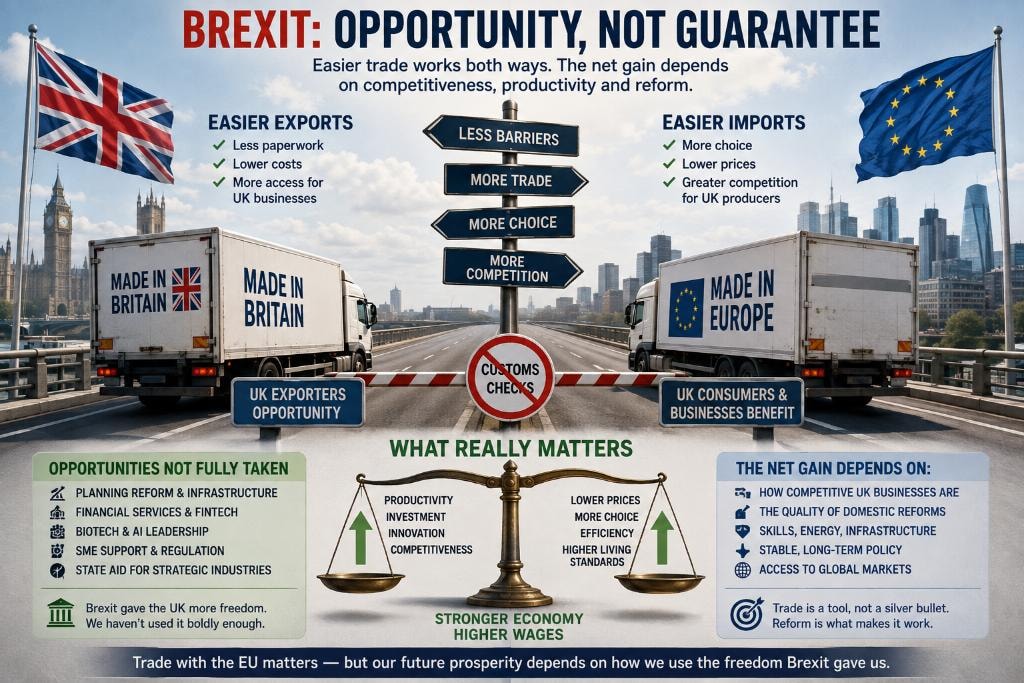
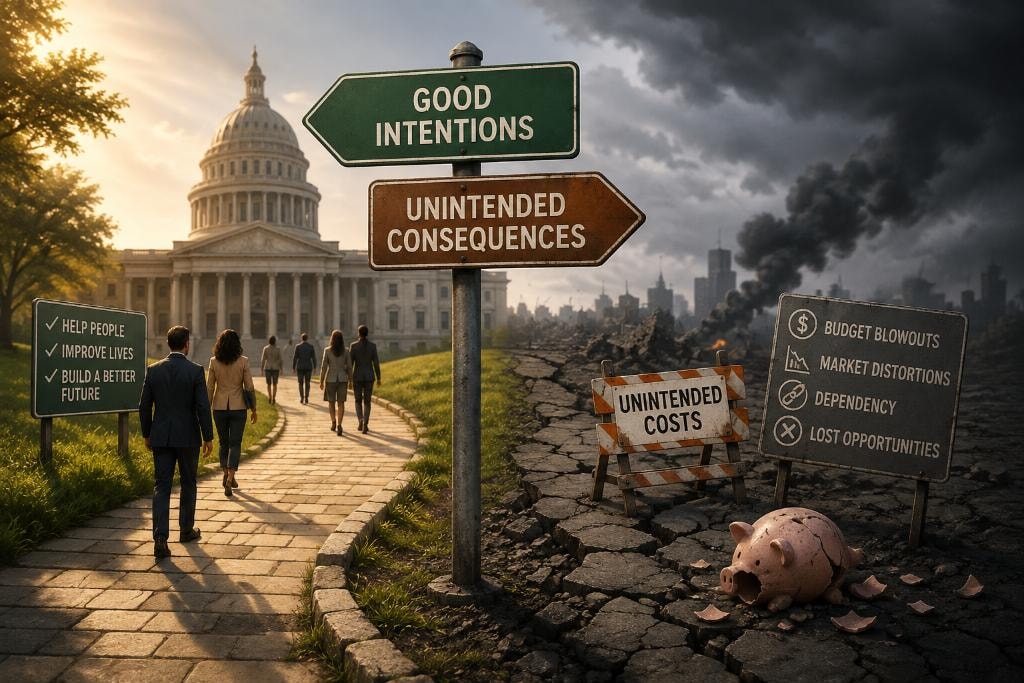
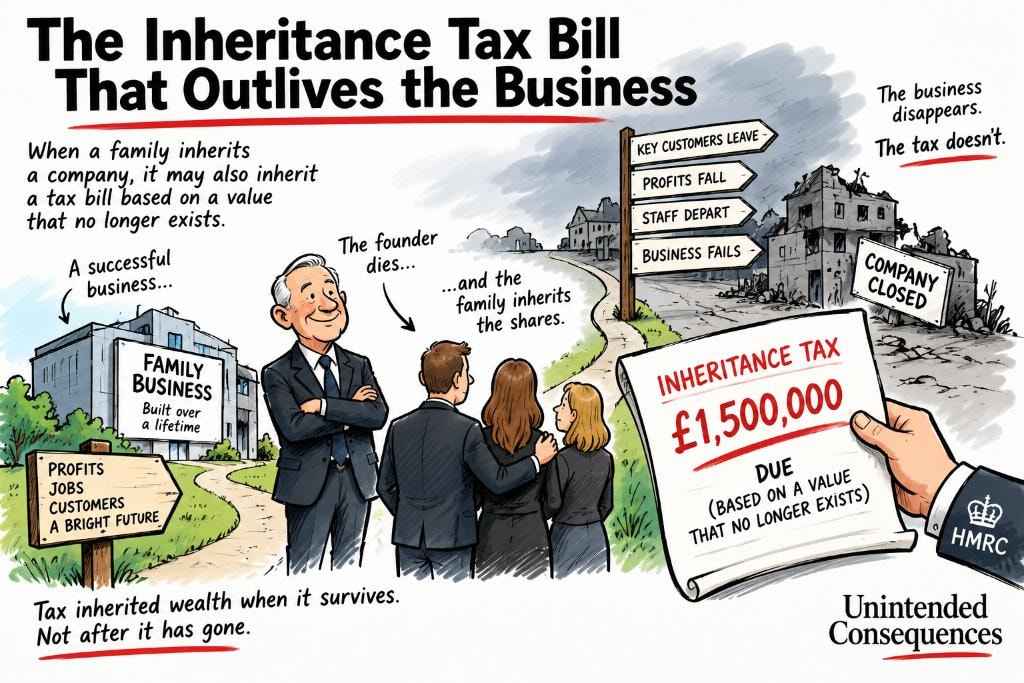
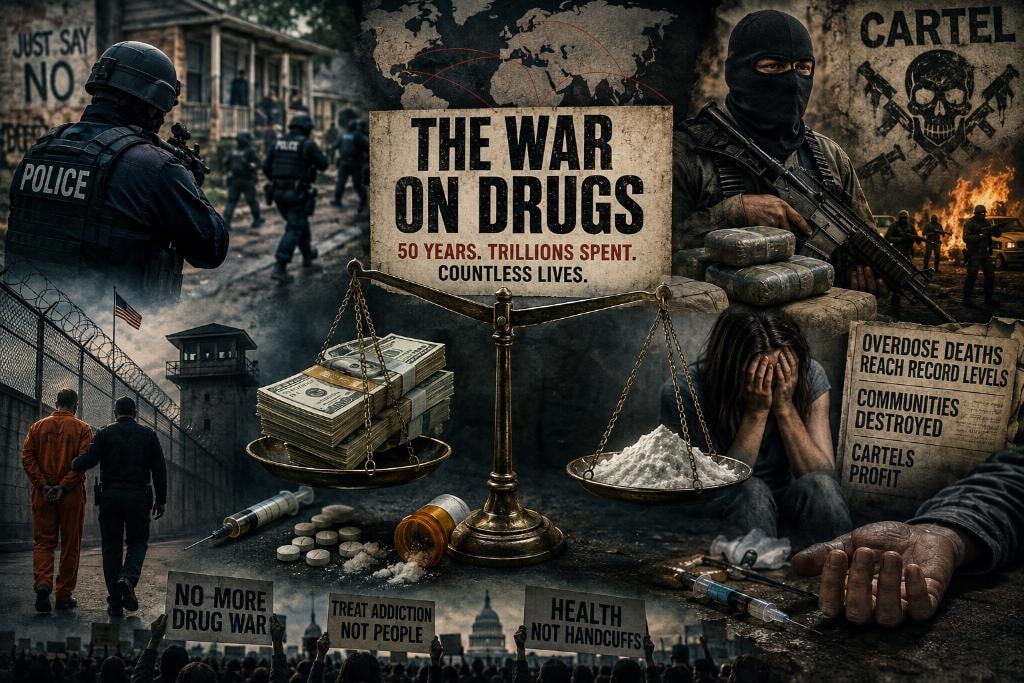
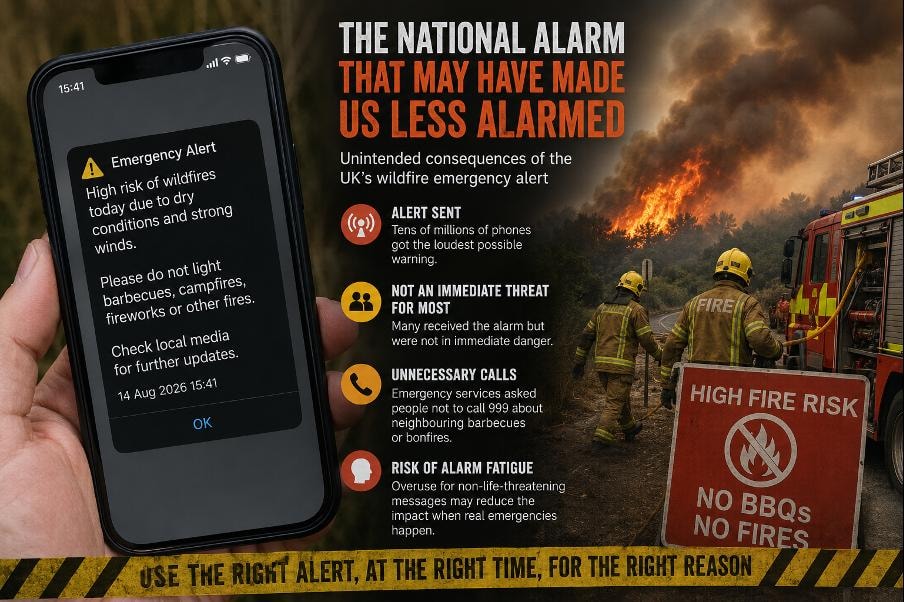
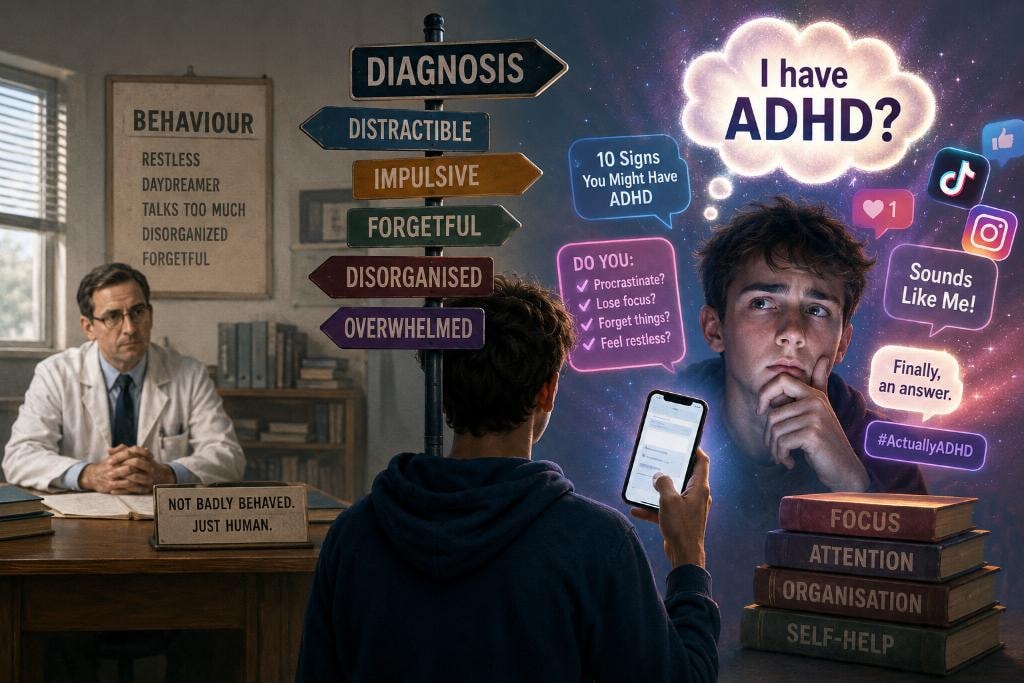
In the world of strategic planning and everyday decision-making, even the most well-intentioned actions can trigger ripple effects no one saw coming. From small business pivots to city-wide policy changes, unintended consequences shape outcomes in ways that often outweigh the original goal.
Consider how a minor adjustment to a workflow — designed to save time — might inadvertently increase error rates or employee burnout. These hidden outcomes aren't rare; they're a natural byproduct of complex systems where cause and effect aren't always linear.
Understanding unintended consequences is essential for leaders, planners, and professionals across industries. It's not about avoiding decisions but making them with greater foresight — learning to identify potential ripple effects before they happen, assess second- and third-order impacts, and build more resilient strategies.
3 Types of Unintended Consequences You Need to Anticipate
Positive Spillovers: Sometimes, actions trigger beneficial outcomes that weren't anticipated. A team investing in employee training may not only boost productivity but also spark innovation across departments. These positive ripple effects often stem from increased engagement or improved cross-functional collaboration.
Negative Blowback: Even well-researched initiatives can backfire. Implementing new software to streamline workflows might inadvertently increase downtime during onboarding or frustrate long-term staff. These negative consequences often emerge from overlooked user experience factors or insufficient change management.
Perverse Outcomes: This occurs when a solution amplifies the very problem it aimed to fix. A performance bonus meant to increase sales could encourage short-term tactics that damage customer trust. These reversals typically stem from misaligned incentives or incomplete system analysis. Always ask: what behaviors does this plan reward — and could any of them undermine long-term goals?
Hidden Triggers: What Really Drives Unintended Outcomes
One of the most frequent causes is insufficient scenario planning. Leaders and individuals alike often focus on best-case outcomes, neglecting to model alternative futures or stress-test their choices under different conditions. This narrow foresight can lead to policies that backfire or personal actions that create new problems.
Another common culprit is overreliance on short-term data. Decisions based solely on recent trends — without considering historical context or cyclical patterns — can misalign with long-term goals. A marketing campaign optimized for quick conversions might erode brand trust over time if messaging feels misleading or aggressive.
Misaligned incentives also play a critical role. Teams striving to hit KPIs may unintentionally game systems, creating outcomes that satisfy metrics but undermine overall objectives. To reduce risk: map potential second- and third-order effects before acting, consult diverse perspectives to challenge assumptions, and pilot decisions on a small scale when possible.
How to Spot Hidden Risks Before They Derail Your Plans
Map the decision landscape: identify all stakeholders, systems, and processes that could be impacted. Consider direct and indirect relationships, including supply chains, customer behaviors, and regulatory environments. This holistic view helps reveal hidden dependencies.
Conduct a pre-mortem analysis: imagine it's one year after your decision — and it failed. Work backward to determine what might have gone wrong. This technique encourages teams to surface assumptions and vulnerabilities they might otherwise overlook.
Apply second- and third-order thinking: ask what happens immediately after the decision, what follows next, and then what. A pricing change may boost short-term revenue but erode customer trust over time. Engage diverse perspectives and run small-scale pilot programs before full rollout.
When Solutions Create New Problems: Lessons from Tech and Policy
In the tech space, algorithmic content curation was designed to increase user engagement, yet in some cases has contributed to information silos and polarized discourse. Similarly, urban policy interventions like congestion pricing aim to reduce traffic but can inadvertently displace economic activity or strain public transit systems unprepared for increased demand.
Digital platforms introducing automation tools often find that workflows become more complex, not less, especially when legacy systems can't integrate smoothly. Meanwhile, well-meaning data privacy regulations, while protecting consumer rights, sometimes limit small businesses' ability to personalize customer experiences effectively.
Building Resilience When Outcomes Don't Go as Planned
Unintended consequences are inevitable. The real challenge isn't avoiding surprises, but building resilience to adapt quickly and effectively. Foster a culture of adaptive thinking where teams regularly assess outcomes against expectations and feel empowered to flag discrepancies early.
Develop a response framework that includes clear escalation paths, rapid assessment protocols, and communication plans. Conduct post-implementation reviews — not to assign blame, but to extract insights and refine future decision-making models. Resilience isn't about preventing every problem — it's about bouncing back faster, smarter, and more informed.
About the author
Robert Woodland-Ferrari
Businessman, entrepreneur and lifelong observer of decisions that seemed like a good idea at the time.