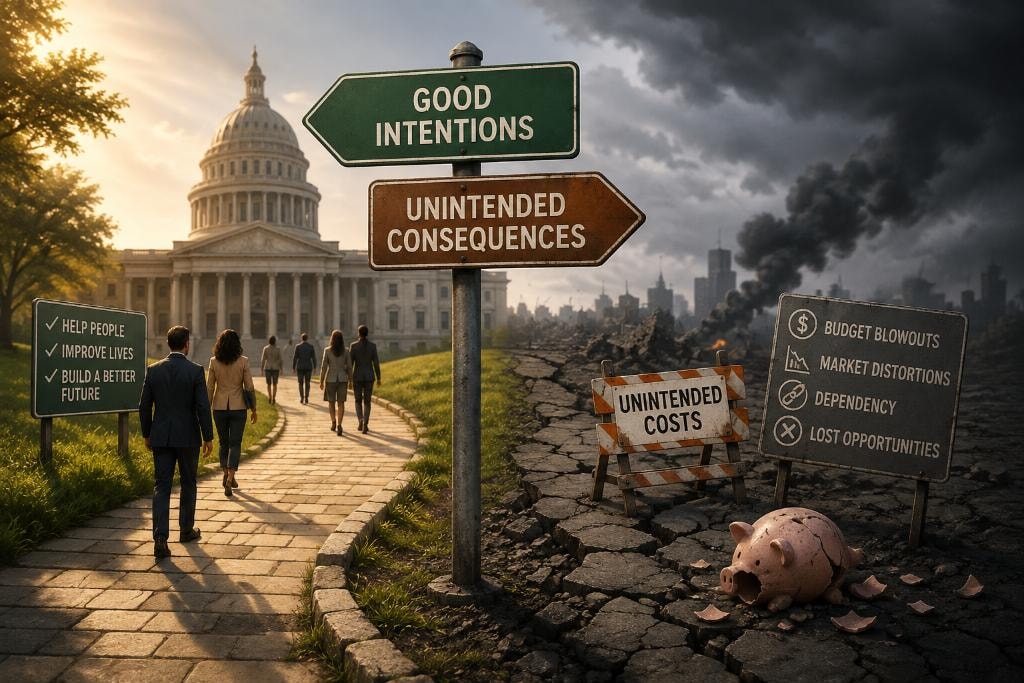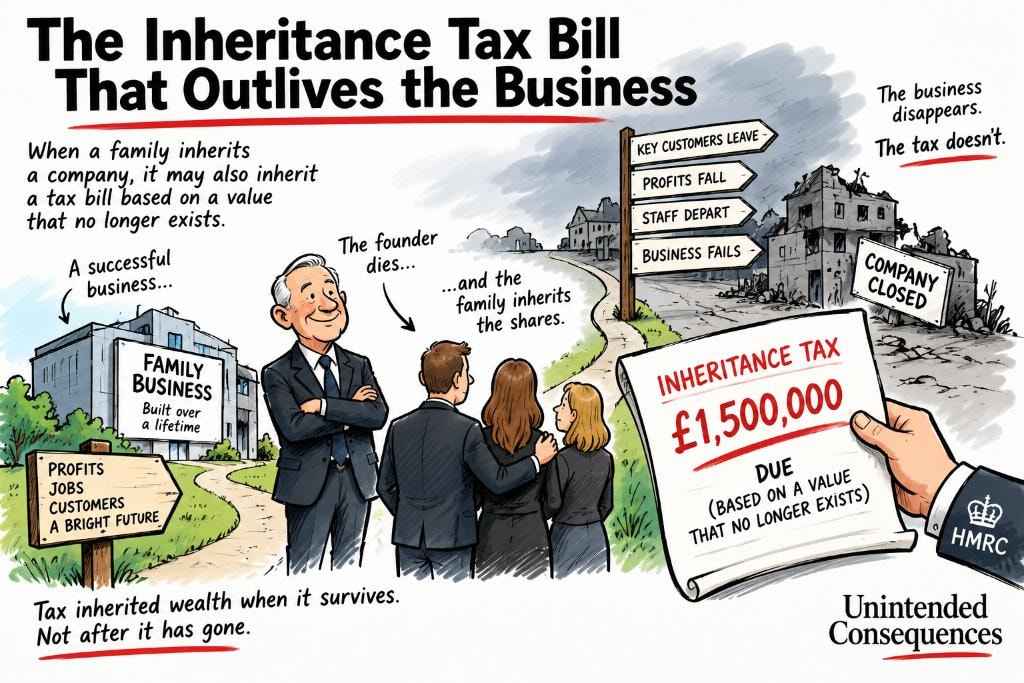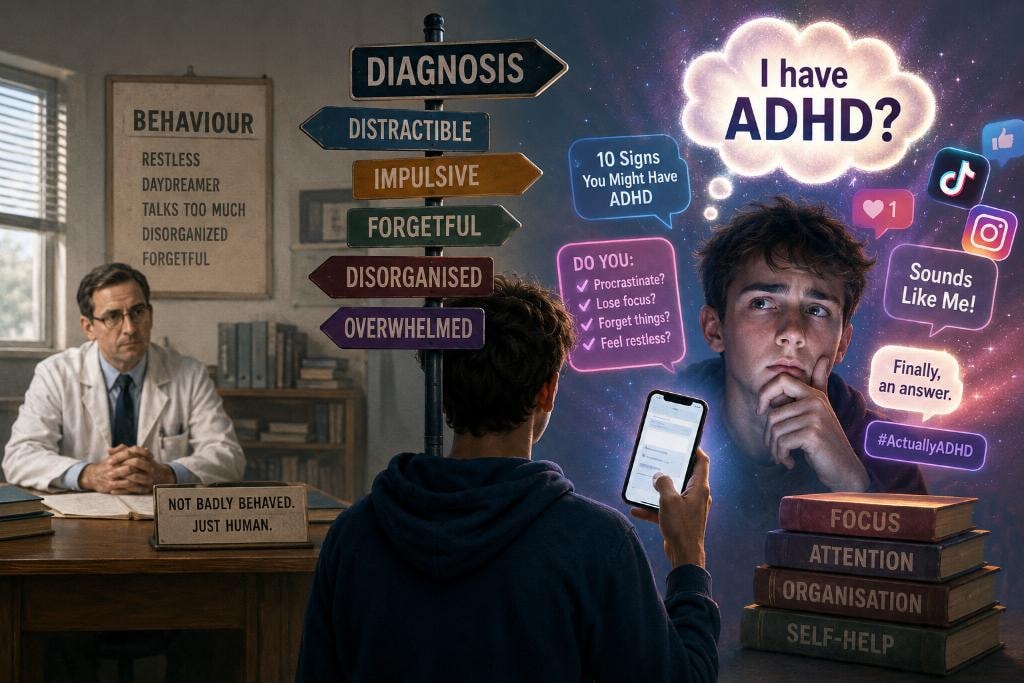
The recent wildfire alert is almost a textbook Unintended Consequences case. The danger was genuine. The objective was sensible. The questionable part was using the country's loudest possible warning mechanism to tell tens of millions of people something that, for most of them, did not require immediate action.
And that matters because an emergency warning system has one particularly valuable asset: people believe that when it goes off, something serious is about to happen to them.
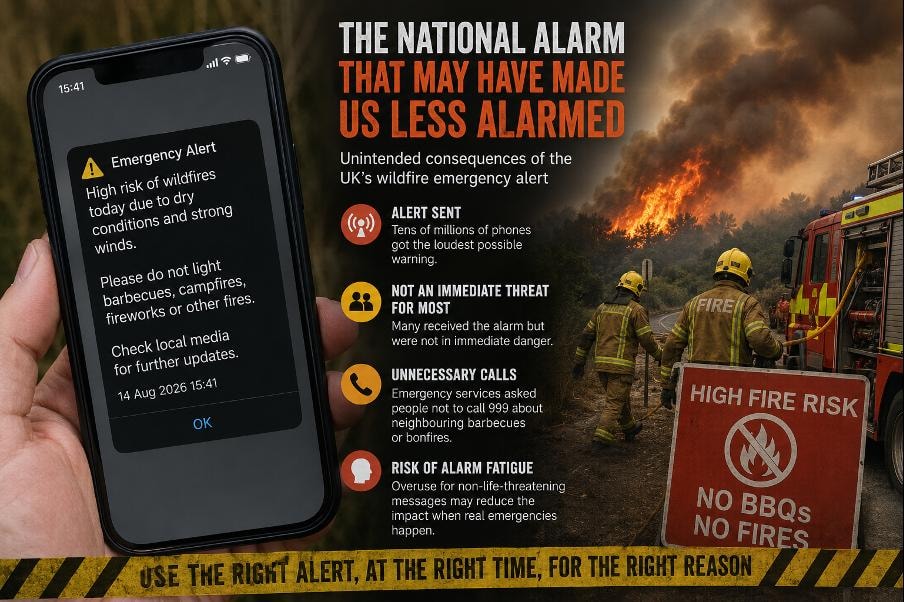
On Friday 14 August, the Government used the Emergency Alerts system across England and Wales because of the exceptionally high wildfire risk. Phones sounded the siren-like alarm and displayed a warning telling people not to light barbecues, campfires, fireworks or other fires. Wildfire activity really was exceptional: England and Wales had already exceeded the previous annual record of 1,017 wildfires, while homes had been destroyed and emergency services were under considerable pressure.
The Government was not inventing the problem. Britain genuinely was unusually vulnerable to fire. The issue is whether a national emergency alert was the right instrument.
The Government itself describes Emergency Alerts as a system providing warnings and advice in a "life threatening emergency", giving examples such as wildfires, severe flooding and extreme storms. That distinction is important. There is a substantial difference between: "There is a bomb being moved through your neighbourhood. Leave this area." and: "There is a high national fire risk. Please don't have a barbecue." Both messages can be worthwhile. They don't necessarily deserve the same alarm.
There are some excellent examples of the system being used precisely as one would expect. In February 2024, an unexploded Second World War bomb was discovered in Plymouth. An alert was sent specifically to people in Plymouth telling them that the bomb was being transported, identifying the cordoned area and telling residents to leave and stay away. That's almost perfect emergency-alert territory: danger is imminent, danger is geographically defined, you may personally be affected, there is something specific you must do.
Likewise, before Storm Éowyn in January 2025, around 4.5 million phones received an emergency alert following a red warning for wind and a threat to life. People were told to stay indoors, not drive and avoid coastal areas. Storm Darragh in December 2024 prompted alerts to about 3.5 million people in Wales and south-west England. The storm subsequently killed two people. Again, the recipient could reasonably think: "This alarm is about a danger to me, here, now." That psychological contract is enormously valuable.
The wildfire alert changed that contract slightly. For millions of recipients, there was no fire nearby and no need to evacuate, shelter, change a journey or take immediate protective action. They were essentially being asked to modify behaviour because the general risk of starting a fire was exceptionally high. A perfectly sensible public-information message. But arguably not an emergency.
And we already have evidence of the resulting problem. Reaction included complaints that the warning was too broad and concerns about "alert fatigue". More revealingly, the warning itself appears to have generated unnecessary demand on emergency services. Fire services subsequently had to tell people not to call 999 simply because a neighbour was having a barbecue or bonfire, unless there was an actual emergency.
So we have a wonderfully British little policy circle: Emergency services are overloaded by fires. Government sends an emergency warning to reduce pressure on emergency services. People respond to the emergency warning by calling emergency services. Emergency services then have to tell people to stop calling emergency services. Somewhere, an unintended-consequences writer quietly reaches for his keyboard.
This is the part I'd concentrate on. Emergency alerts work partly because they are rare. The horrible noise is deliberate. It interrupts television, conversations, meetings and sleep. It overrides normal phone behaviour. It creates an immediate physiological reaction: Something is wrong. Read this now. That is extraordinarily useful when the message says: EVACUATE. It becomes less useful if people gradually learn that it might instead mean: PLEASE DON'T LIGHT THE WEBER.
Humans habituate to alarms remarkably quickly. The first time something screams at us, we investigate. After enough false or low-consequence alarms, we mentally downgrade it. Anyone who has worked in an office where the fire alarm regularly goes off knows the phenomenon. The first alarm produces urgency. The sixth produces: "Is this another test?" That is exactly what a national emergency system must avoid.
Some people will probably disable their alerts. But the greater concern isn't necessarily millions deliberately disabling them. It is psychological disabling. People may leave the feature switched on but begin treating the noise as merely another government announcement. That is potentially worse. Because imagine the sequence: 2026: Don't have a barbecue. 2027: Avoid unnecessary travel because of heat. 2028: Please conserve water. 2029: Chemical explosion three miles away. Stay indoors and close every window immediately. The effectiveness of the fourth message partly depends upon what governments did with the first three.
Cell broadcasting is specifically capable of geographical targeting. That is one of its greatest strengths. The Plymouth bomb alert was targeted at Plymouth. Storm warnings were directed at areas under severe warnings. The wildfire alert instead covered an enormous population. There certainly were dangerous fires. The question is whether somebody sitting safely in Surrey, Kent or suburban London needed the same emergency intervention as somebody living near an advancing wildfire.
Perhaps a better hierarchy would be: Level 1 — Public information: high fire risk, communicated through government websites, broadcasters, weather apps, social media, road signs and news. Level 2 — Local emergency warning: serious fire nearby, prepare to leave, avoid an area or monitor instructions. Level 3 — Emergency Alert: immediate danger to life, evacuate now, shelter now, don't travel, close windows, move to higher ground. Protect Level 3 ruthlessly. Because it is the one message you desperately need people never to ignore.
There is an important counterargument. These weren't ordinary summer conditions. Wildfire numbers had reached record levels, homes had been destroyed and firefighters were facing numerous incidents simultaneously. Fire and Rescue Services reportedly requested the warning. Climate specialists also supported strong public action because extraordinarily dry conditions meant relatively trivial ignition sources could develop rapidly into serious fires. If the alert prevented dozens of fires, the decision may have saved property, resources and possibly lives. And that benefit is difficult to measure because successful prevention produces events that never happened.
So this isn't a story about foolish officials inventing a nonexistent emergency. It's subtler, and therefore much more interesting. Government possessed a powerful new communications tool. It had worked during genuine emergencies. Officials then encountered a serious national problem and understandably thought: we have a system capable of reaching nearly everybody. Let's use it. The immediate benefit is obvious. The long-term cost is almost invisible.
Every time an emergency alarm is used for something that doesn't feel like an emergency to its recipient, a tiny amount of its authority may be spent. And authority is exactly what the system needs when the day eventually comes that your phone screams and the message says: LEAVE YOUR HOME NOW.
The wildfire warning may well have prevented fires. In that narrow sense it may have succeeded. But the proper measure isn't simply "Did this warning achieve something?" It should also be: "Was the benefit sufficiently important to justify spending some of the credibility of a system specifically designed for imminent threats to life?" Governments tend to regard emergency systems as technological assets. They're not. They're trust assets. And once the public learns that the most frightening alarm their telephone can produce might simply mean don't light the barbecue, getting that sense of urgency back could prove considerably harder than sending the alert in the first place. That is the unintended consequence worth exploring.
About the author
Robert Woodland-Ferrari
Businessman, entrepreneur and lifelong observer of decisions that seemed like a good idea at the time.